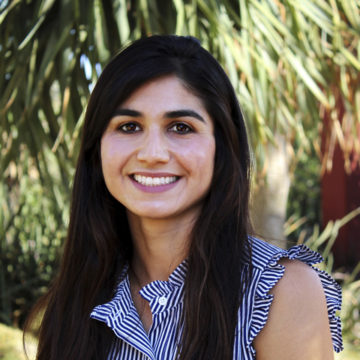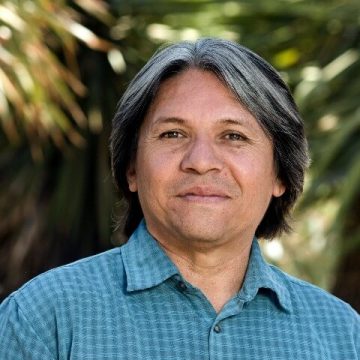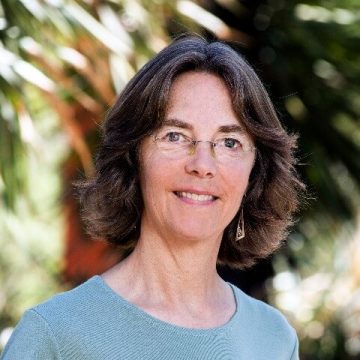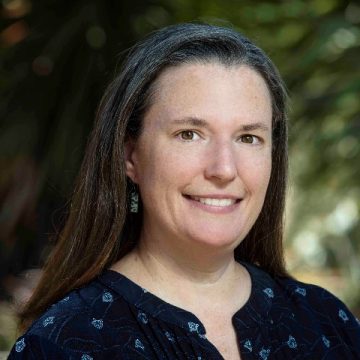
Research & Conservation Staff

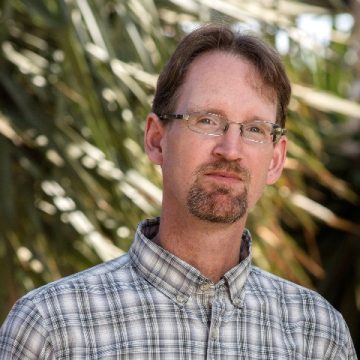
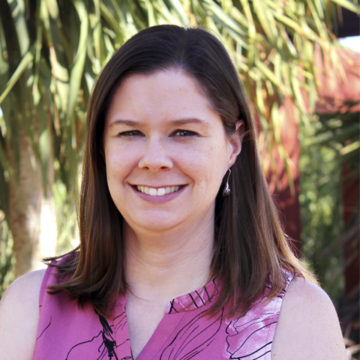
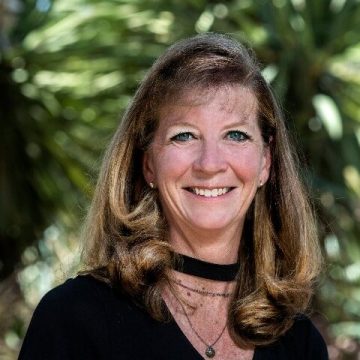
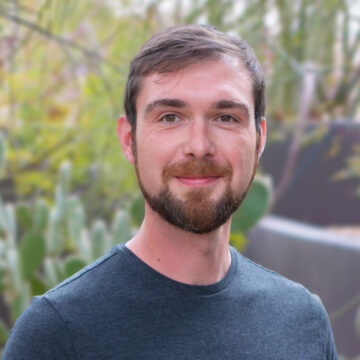
Beth Brand
Librarian, Schilling Library
Email: bbrand@dbg.org
Phone: 480 481.8133
Beth Brand came to the Desert Botanical Garden in late 2001 to relocate and manage Garden’s collection of botanical research materials. A native Phoenician, Beth Brand’s interest in preservation led to the development of the Garden's History Archive, a collection of photos and papers documenting the Garden’s beginnings and the important events that have taken place over time. In 2010 the Schilling Library catalog became available for online searching, and she and her volunteers are working to make other unique materials accessible electronically. She is a member of the editorial team for the Garden’s Sonoran Quarterly publication, provides volunteer assistance and coordinates the seasonal Wildflower InfoSite.
Charles A. Butterworth, Ph.D.
Research Botanist
Email: cbutterworth@dbg.org
Phone: 480 481.8195
Research Interests:
- Cactaceae Systematics
- Conservation of Cacti
- Systematics of the Cactaceae particularly Tribe Cacteae; systematics of Coryphantha, Pediocactus, Mammillaria, and Sclerocactus; morphological evolution in cacti.
Charlie Butterworth joined the Research department at Desert Botanical Garden in 2004. He is interested in classification and phylogenetic relationships in the Cactus family. His main focus is on the Tribe Cacteae (North American barrel cacti) with particular interest in the genera Pediocactus, Sclerocactus, and Coryphantha. His research utilizes both DNA sequence data as well as DNA microsatellite data. Past research has included systematic work on Ariocarpus and Mammillaria, as well as phylogenetic relationships in the “ancestral” cacti – Pereskia.
Brandi Eide, B.A.
Conservation Collections Manager
Email: beide@dbg.org
Phone: 480 481.8132
Research Interests:
- Propagation
- Seed storage and preservation
- Ex situ care of rare plant material
Brandi Eide works to build and maintain the conservation seed and plant collections, conduct research in support of rare plant ex situ conservation and maintain permits related to the collection and possession of conservation material (covered by state, federal, or international laws and treaties). In addition, she teaches classes in horticulture, botany, and xeriscape, and participates in sustainability workshops and classes. She also has a strong interest in pollinators, landscapes utilizing native and arid adapted plants, rainwater harvesting, xeriscape practices and sustainability issues.
Shannon D. Fehlberg, Ph.D.
Dorrance Family Foundation Conservation Biologist
Email: sfehlberg@dbg.org
Phone: 480 481.8143
Research Interests:
- Evolution, distribution, and population genetics of rare plants
- Biogeography and phylogeography of plants in the southwestern deserts
- Determinants of genetic and species diversity in plants
- Hybridization and polyploidy
Shannon D. Fehlberg’s research focuses on the study of population genetic variation in rare plants. Knowledge of this genetic variation can provide insight into the survival, reproduction, and taxonomy of rare plants, and can be combined with other sources of data to form more effective conservation strategies. She is currently working with colleagues on genetic studies of Encelia farinosa (brittlebush), Lilaeopsis schaffneriana var. recurva (Huachuca water umbel), Lycium californicum (California desert-thorn), several species of Phlox from the southwest, and several species of Cirsium (thistle) from the Grand Canyon.
Wendy C. Hodgson, M.S.
Curator of the Herbarium, Research Botanist
Email: whodgson@dbg.org
Phone: 480 481.8108
Research Interests:
- Floristics of Southwestern US, particularly Grand Canyon region
- Plant Systematics, particularly Cactaceae, Agaveacae, and new southwestern plants
- Ethnobotany of Sonoran Desert
- Invasive species
- Systematics of rare Southwestern plants
Wendy has been with the Desert Botanical Garden for 36 years and lived in the desert for 40 years. Her areas of interest include southwest US and northern Mexico floristics and taxonomy and systematics of Agave and Yucca, including the study of pre-Columbian agave cultivars. Other current projects include the study and documentation of the flora of Grand Canyon National Park, including the evolution and distribution of certain plant groups as affected by the unique factors characteristic of the Grand Canyon region. Hodgson is also studying and documenting Southwest US cacti, coordinated the Cactus family treatment for Intermountain Flora and is helping coordinate the Cactus Family of Arizona project by Garden research staff and research associates. She wrote and illustrated the book, Food Plants of the Sonoran Desert (University of Arizona Press), winner of the 2002 Klinger Book Award, presented by the Society for Economic Botany. She is an avid plant collector who strives towards making high quality specimens in difficult groups like Agavaceae and Cactaceae.
Matthew King, B.S.
Research Assistant:
Email: mking@dbg.org
Phone: 480 481.8187
Research Interests:
- Community ecology
- Applications of GIS and R
- Plant conservation
Matthew King works in support of various research projects at the Desert Botanical Garden. His current projects comprise assisting research efforts on a post-fire ecological study at the Agua Fria National Monument, including creating a GIS for current monitoring efforts and historical datasets. He also leads the Garden mp;rsquo;s on-the-ground efforts for seed collections for the national Seeds of Success program. Before joining the Garden in 2008, Matthew King also supported research efforts at Arizona State University, studying the effects of urbanization on plant growth and trophic-level dynamics.
Joe McAuliffe, Ph.D.
Director of Research
Email: jmcauliffe@dbg.org
Phone: 480 481.8105
Research Interests:
- Plant community ecology
- Population ecology of long-lived perennial plants of deserts
- Plant-soil relationships and ecophysiology
- Multidisciplinary collaborations involving geology, soil science, hydrology, and ecology
- Paleoecology and paleoclimatology
- Ecology and conservation of semi-arid grasslands
During the last 20 years, the most challenging and interesting research investigations Joe McAuliffe has worked on have involved collaborations with scientists from other disciplines, including geology and soil science. Knowledge from these areas has greatly broadened his understanding of the natural history and ecology of arid environments. He also realizes now that there are so many ecological questions that cannot be adequately addressed unless the context of geology, soils, and soil hydrology is considered and understood. This multidisciplinary perspective not only leads to a growth of basic knowledge of arid lands, it also is necessary for dealing with many pressing conservation problems.
Kimberlie McCue, Ph.D.
Program Director, Conservation of Threatened Species and Habitats
Email - kmccue@dbg.org
Phone - 480 481.8137
Research interests:
- Population ecology and genetics of rare plants
- In situ and ex situ seed bank dynamics
- invasive species
- conservation science outreach and education
Kimberlie McCue enjoys the opportunity to approach plant conservation from many angles, including research, education, and outreach. She is particularly interested in seed bank dynamics, both in situ and ex situ. Soil seed banks are of particular importance in arid environments where suitable growing conditions can be sporadic. These natural seed banks can buffer rare species from the negative impacts of small population size (e.g. inbreeding depression and genetic drift). Ex situ seed banks are an important tool for plant conservation. However, not all taxa respond similarly to long term cold storage. She, along with other Garden staff and volunteers, seek to determine optimal storage strategies for the many desert species they maintain in their seed bank. She is also committed to educating the next generation of conservation scientists and hopes to develop a strong internship program that will serve undergraduates interested in plants and conservation.
Raul Puente-Martinez, M.S.
Curator of Living Collections, Research Botanist
Email: rpuente@dbg.org
Phone: 480 481.8110
Research Interests:
- Systematics of the subfamily Opuntioideae (Cactaceae) in northern Mexico
- Opuntia and Nopalea systematic and biogeography
- Hybridization in the pricklypears
- Ethnobotany of pricklypears in Mexico
- Sustainability and landscape use of desert plants
Raul Puente-Martinez divides his time at the Desert Botanical Garden as the Curator of Living Collections and as a Research Botanist. He is responsible for curatorial aspects such as plant acquisition, maintaining the database and mapping of the Garden’s Living Collection. His main research interest is the systematics of the genus Opuntia (pricklypears) in northern Mexico, particularly in the states of San Luis Potosi, Coahuila and Sonora. He is also working on a taxonomic revision of the genus Nopalea, a unique group of tropical prickly pears from Mexico and Central America which are pollinated by hummingbirds. Raul’s studies are based on fieldwork as well as morphology, chromosome numbers and pollen morphology, among other techniques. As a collaborator for the Vascular Plants of Arizona project, he has written various family treatments as well as produced a number of plant illustrations.
Andrew Salywon, Ph.D.
Assistant Herbarium Curator and Research Botanist
Email: asalywon@dbg.org
Phone: 480 481.8107
Research Interests:
- Biochemistry of Seed Oils
- Conservation Biology
- Flora of Arizona and adjacent regions
- New Crop Development & Sustainable Agriculture
- Plant Systematics using both traditional and molecular data

Andrew Salywon came to the Desert Botanical Garden after completing his Ph.D. in Plant Biology and conducting postdoctoral research on developing Lesquerella as a new industrial oilseed crop at the United States Department of Agriculture, Arid-Land Agricultural Research Center. His research interests are in conservation, endemic, rare and endangered plants in Arizona and the Sonoran Desert, floristics, new crop development, and systematics using both traditional and molecular data. On-going projects include the Flora of Agua Fria National Monument, evolution and inheritance of hydroxy fatty acids in Lesquerella (Brassicaceae – the mustard family), systematics of native and cultivated Agave (Agaveaceae) in Arizona, Cylindropuntia (Cactaceae – the cactus family) and Mosiera (Myrtaceae - the myrtle family).
Starr Urbatsch
Plant Registrar
Email: surbatsch@dbg.org
Research interests:
- Plant Collections Management
Starr Urbatsch is the Plant Registrar at the Desert Botanical Garden. Her role is to manage both the collection information and location of all catalogued seed and plant material at the Garden. Collection information is maintained in a computerized database system. Plant locations are tracked by using a mapping software program. Records of all acquisitions in the Garden’s collection have been kept since its inception in 1939. In addition to collection information, other types of data recorded are movements of plants to new locations, propagations and/or deaths of plant material, and any taxonomic changes. Starr Urbatsch works with both the research and horticultural staff in identifying plants and conducting inventories. Reports are provided to the horticultural staff to help track trends in the collection.