
Desert Botanical Garden

Treat a Mom in your life to a day filled with desert blooms along the Garden’s trails, the spring butterfly exhibit plus a complimentary photo ops and moms can take home a complimentary plant.
Treat a Mom in your life to a day filled with desert blooms along the Garden’s trails, the spring butterfly exhibit plus a complimentary photo ops and moms can take home a complimentary plant.
Find Your Experience
In search of a stroller friendly day with the family, the perfect date-night spot, or a place to enjoy the local music scene? Look no further than Desert Botanical Garden in Phoenix, Arizona.

The Metro Phoenix Saguaro Census 2024
May 1-31
The Garden is launching the 3rd Annual Saguaro Census in May to document more saguaros throughout the Phoenix metro area using the iNaturalist app. We have learned a lot about saguaros in the Valley and new challenges have emerged.

Yoga at the Garden
Thursdays, April 25 | May 2, 9 DATE: Sundays, May 5, 12, 19, 26
Unwind and connect with nature during this memorable Sunset Yoga session, led by local studio Metta Yoga. Together, in a Sonoran desert oasis, we will breathe, stretch and embrace the beauty of the setting sun whilst enjoying the Garden view
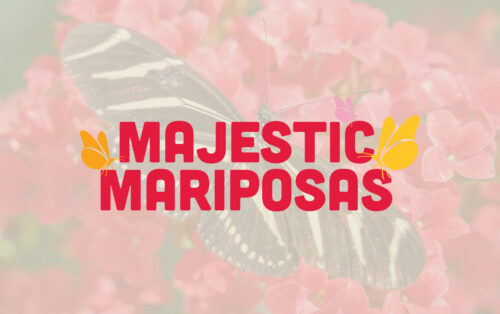
Majestic Mariposas
March 13 - May 12
Don’t miss this living exhibit that features more than a thousand free-flying Southwestern butterflies.
Morning Tai Chi Classes
Tuesdays, April 23, 30 | May 21, 28
The Garden is the traditional setting for the ancient flowing movements of Tai Chi Chuan, the health-boosting Chinese martial art that fuses Yin and Yang.

Sound Meditation Classes
Sunday, April 28 DATE: Wednesday & Thursday, April 24, 25 DATE: Tuesday, May 2
Let the soothing melodies of singing bowls and gongs transport you to a state of pure relaxation and meditation. Participants can be seated or lie down for the entirety of the class. Don’t forget to bring your mat. All levels welcome. Instructed by experienced sound practitioners.
Your Garden at Home
Explore Your Garden at Home for activities, stories of conservation, plants in bloom and more.
Make A Date To Visit
See the daily lineup of activities, exhibits, events and classes at the Garden.
Don’t miss this living exhibit that features more than a thousand free-flying Southwestern butterflies.
Info & Tickets
Let the soothing melodies of singing bowls and gongs transport you to a state of pure relaxation and meditation. Participants can be seated or lie down for the entirety of the class. Don’t forget to bring your mat. All levels welcome. Instructed by experienced sound practitioners.
Info & Tickets- Cactus Clubhouse 9:00 am - 3:30 pm
- Majestic Mariposas 9:30 am - 5:00 pm
- Sound Meditation Classes 7:00 pm - 8:00 pm

Cactus Clubhouse has relocated as the Garden is growing and under construction. Please visit us in our new location in the Weisz Academic Bulding. In this temporary space, kids encounter several activity areas designed to spark independent play, while encouraging physical, cognitive and behavioral growth.
Info & Tickets
Don’t miss this living exhibit that features more than a thousand free-flying Southwestern butterflies.
Info & Tickets
Let the soothing melodies of singing bowls and gongs transport you to a state of pure relaxation and meditation. Participants can be seated or lie down for the entirety of the class. Don’t forget to bring your mat. All levels welcome. Instructed by experienced sound practitioners.
Info & Tickets- Cactus Clubhouse 9:00 am - 3:30 pm
- Majestic Mariposas 9:30 am - 5:00 pm
- Music in the Garden 6:00 pm - 9:00 pm
Cactus Clubhouse has relocated as the Garden is growing and under construction. Please visit us in our new location in the Weisz Academic Bulding. In this temporary space, kids encounter several activity areas designed to spark independent play, while encouraging physical, cognitive and behavioral growth.
Info & Tickets
Don’t miss this living exhibit that features more than a thousand free-flying Southwestern butterflies.
Info & Tickets
Enjoy a stunning Garden backdrop as you experience local bands during this Friday’s night series.
Info & Tickets- Dog Days at the Garden 8:00 am - 11:00 am
- Cactus Clubhouse 9:00 am - 3:30 pm
- Majestic Mariposas 9:30 am - 5:00 pm

Enjoy a weekend excursion with your four-legged friend through the Garden’s trails. A paw-fect place to enjoy the outdoors together with some great photo opps.
Info & Tickets
Cactus Clubhouse has relocated as the Garden is growing and under construction. Please visit us in our new location in the Weisz Academic Bulding. In this temporary space, kids encounter several activity areas designed to spark independent play, while encouraging physical, cognitive and behavioral growth.
Info & Tickets
Don’t miss this living exhibit that features more than a thousand free-flying Southwestern butterflies.
Info & Tickets- Cactus Clubhouse 9:00 am - 3:30 pm
- Majestic Mariposas 9:30 am - 5:00 pm
- Sound Meditation Classes 10:00 am - 11:00 am
Cactus Clubhouse has relocated as the Garden is growing and under construction. Please visit us in our new location in the Weisz Academic Bulding. In this temporary space, kids encounter several activity areas designed to spark independent play, while encouraging physical, cognitive and behavioral growth.
Info & Tickets
Don’t miss this living exhibit that features more than a thousand free-flying Southwestern butterflies.
Info & Tickets
Let the soothing melodies of singing bowls and gongs transport you to a state of pure relaxation and meditation. Participants can be seated or lie down for the entirety of the class. Don’t forget to bring your mat. All levels welcome. Instructed by experienced sound practitioners.
Info & Tickets
Don’t miss this living exhibit that features more than a thousand free-flying Southwestern butterflies.
Info & Tickets
The Garden is the traditional setting for the ancient flowing movements of Tai Chi Chuan, the health-boosting Chinese martial art that fuses Yin and Yang.
Info & Tickets
Don’t miss this living exhibit that features more than a thousand free-flying Southwestern butterflies.
Info & TicketsExplore The Beauty
Think the desert is all dirt and tumbleweeds? Think again. Desert Botanical Garden is home to thousands of species of cactus, trees and flowers from all around the world spread across 55 acres in Phoenix, Arizona.
Stay Connected
Sign up for insider updates, activities and more.